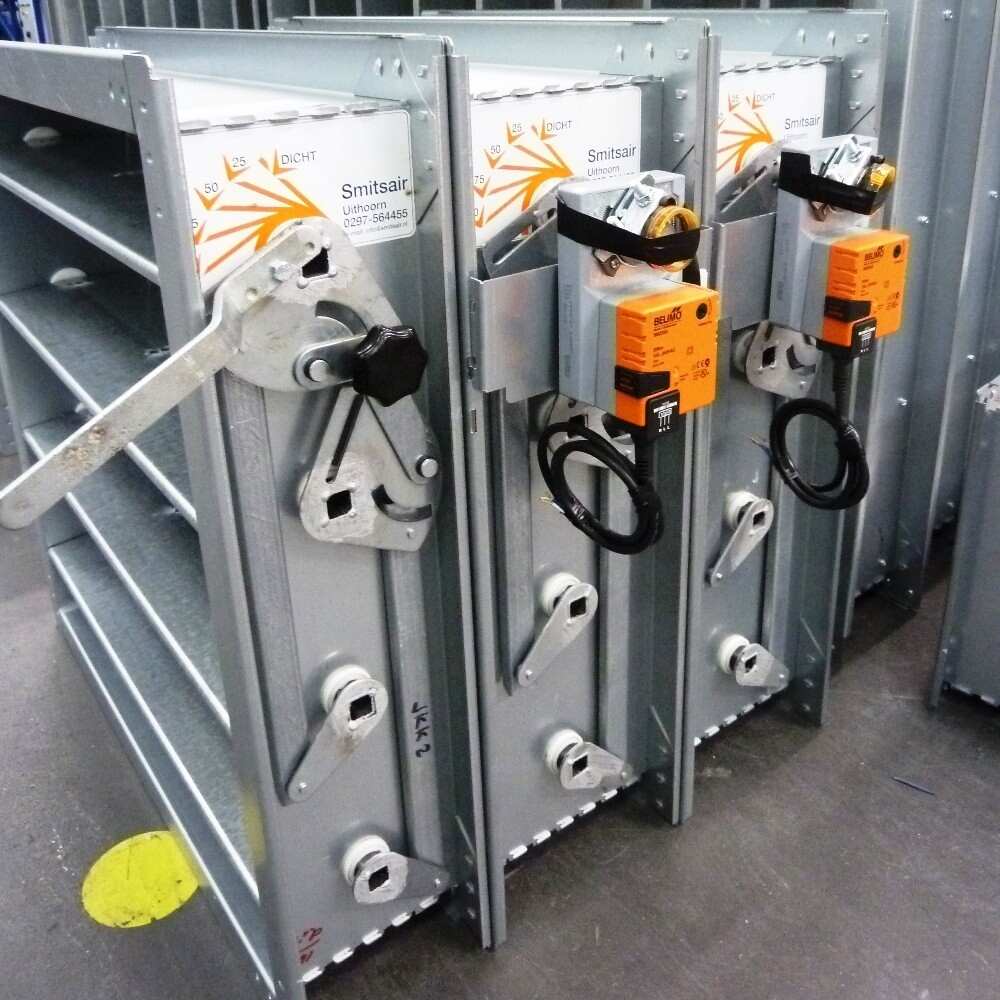
Control valves

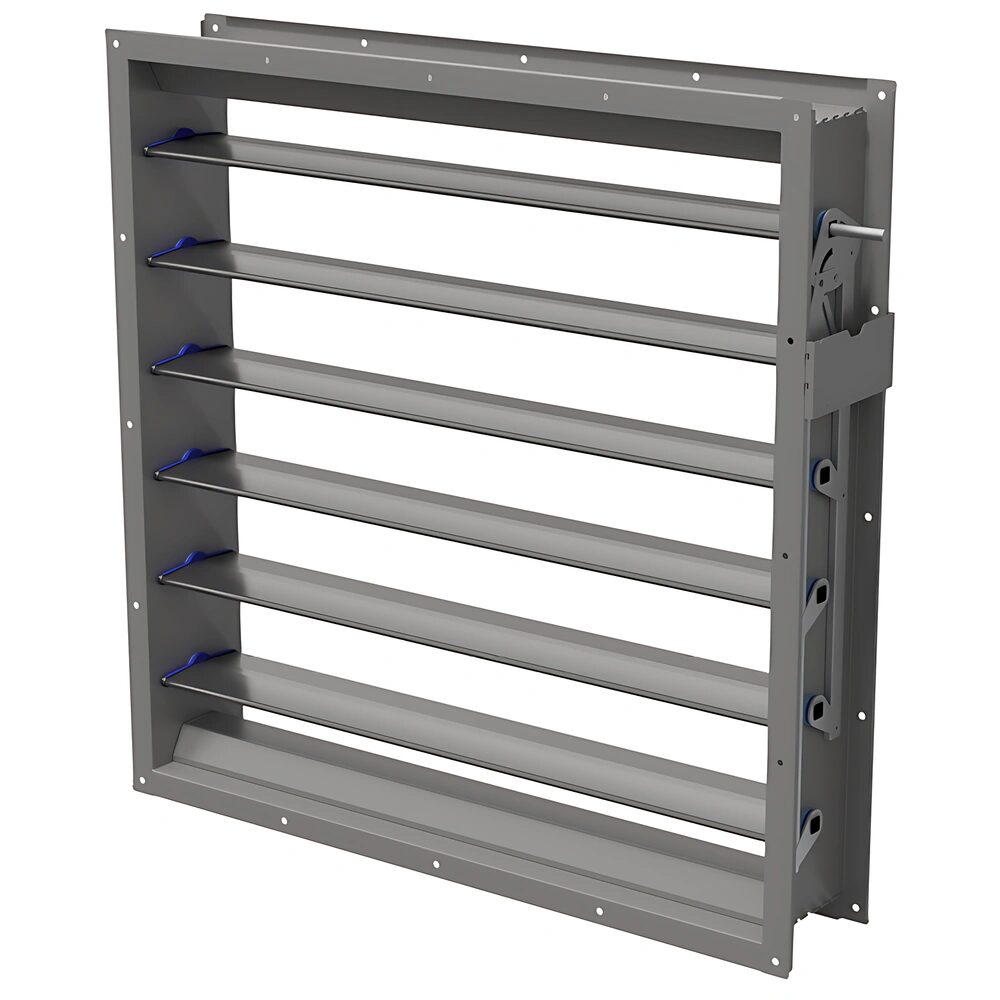
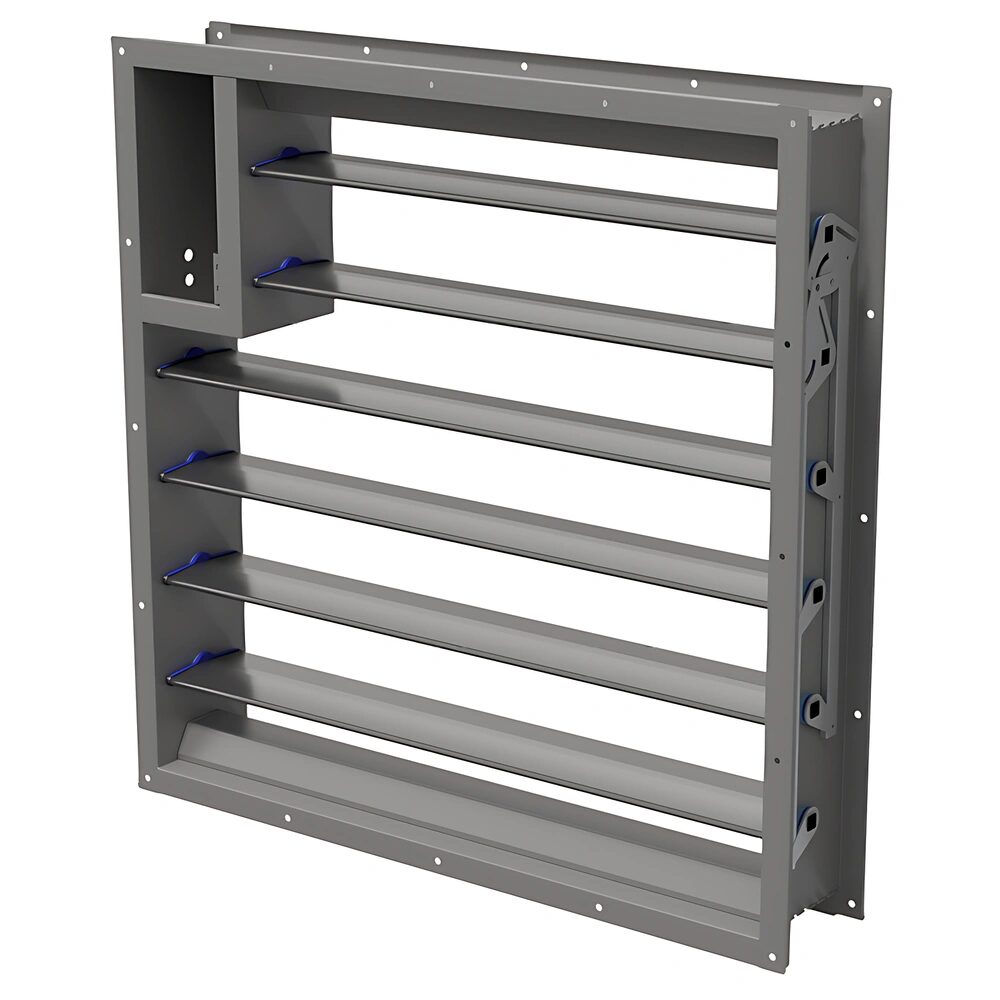
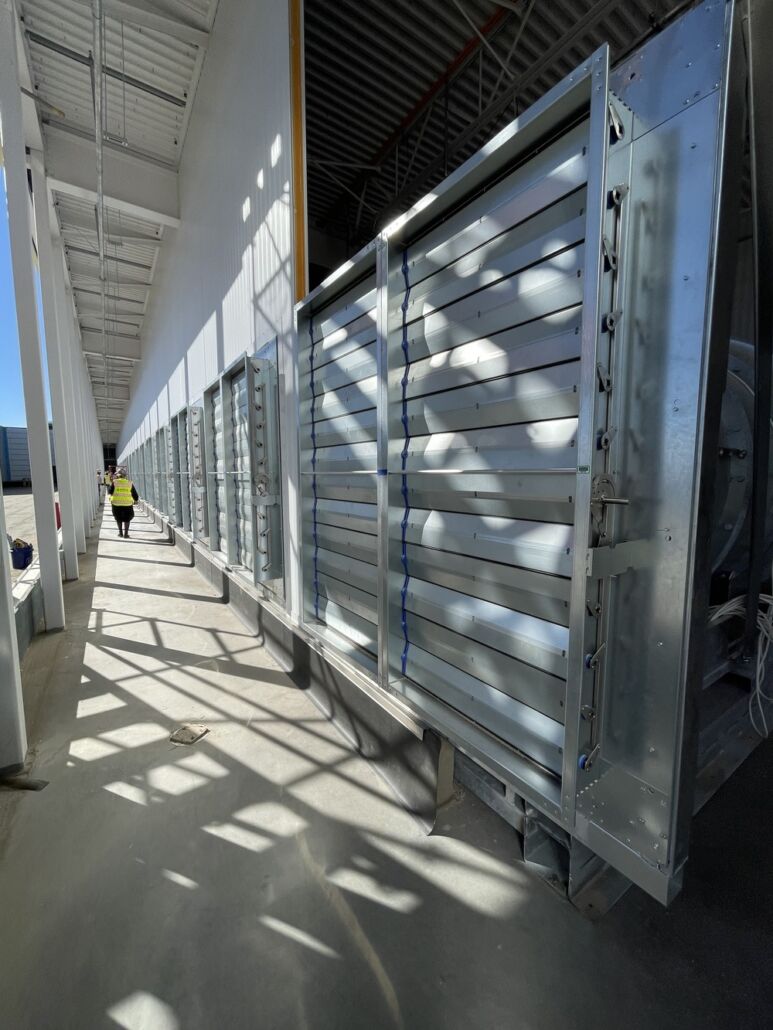
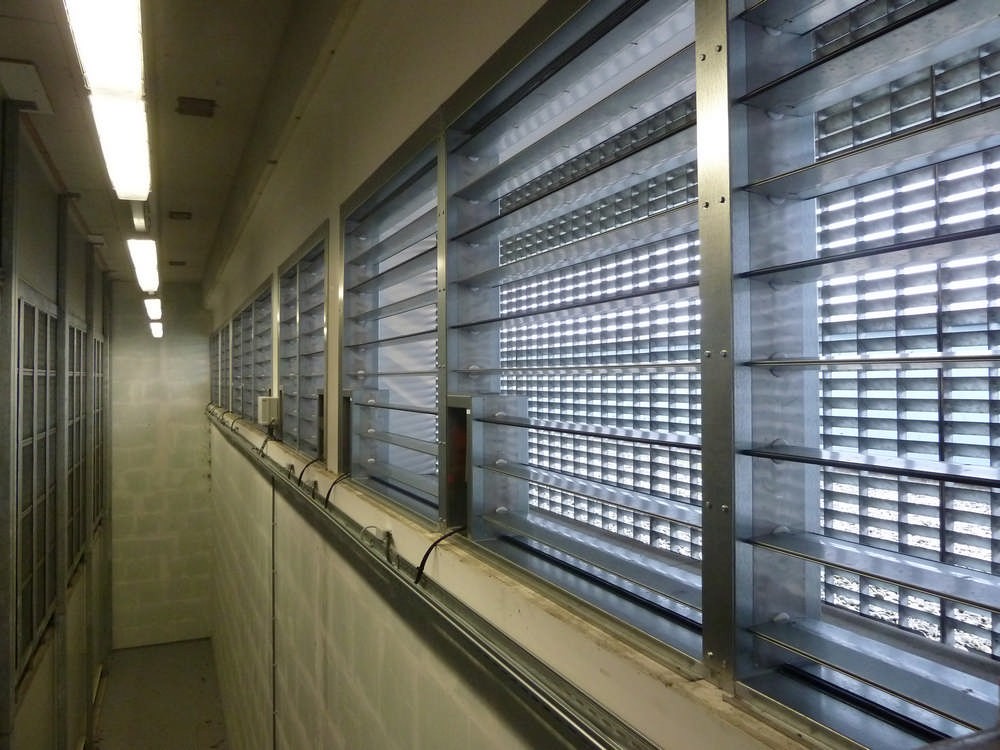
Smitsair Air control valves are designed for a wide range of applications. The control dampers provide accurate adjustment of air volumes, mixing of air flows and complete shut-off of air flows. Among other things, they are suitable for mounting on or in air duct systems, against a wall recess, or combined and assembled with, for example, our outdoor air diffusers.

View our documentation and drawings here

Valve registers with an EC declaration
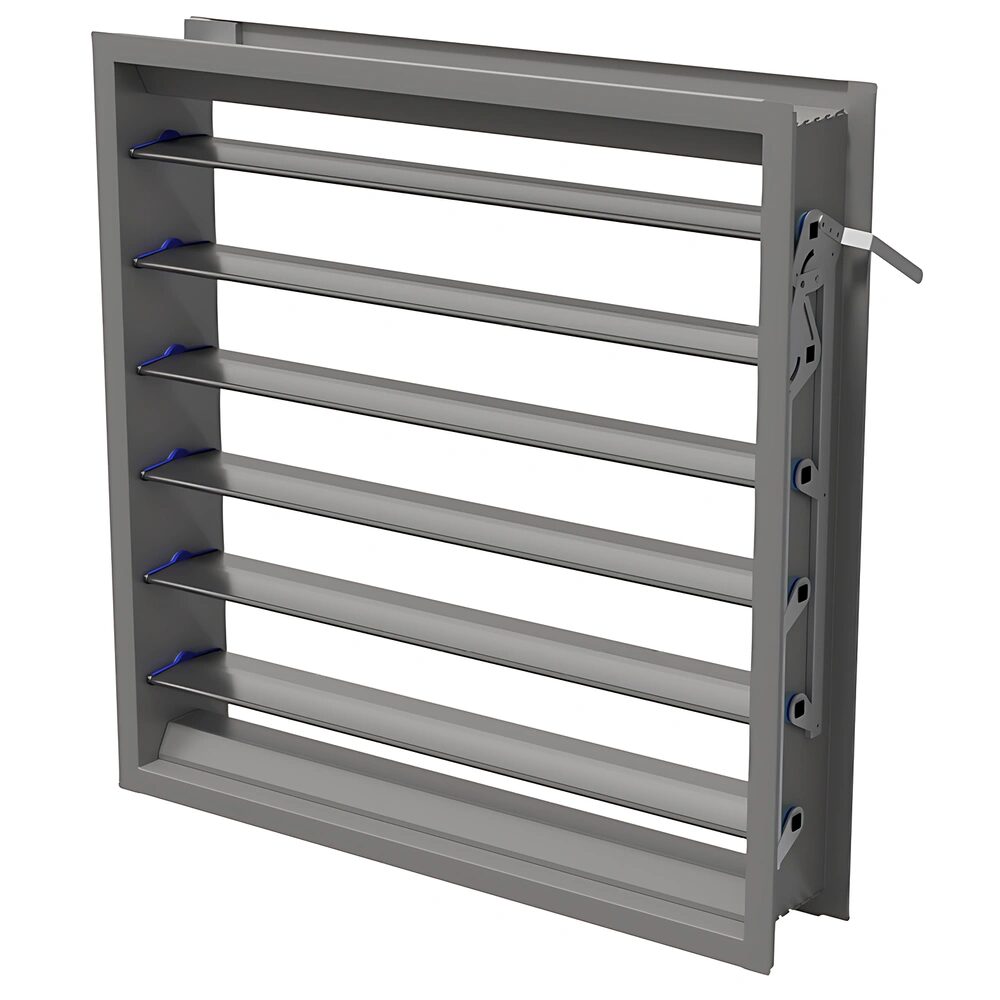
Manual for damper registers with EC declaration

A CUSTOM-MADE DAMPER REGISTER
Dimensions Any width x height possibleDamper types Choice of parallel-rotating, counter-rotating and self-closing dampersOperation Manual or motorized operation possible
Operation position Internal or external operation possibleApplications Regulating, mixing or shutting off airflowsIntegration Can be combined with louvres

Applications valve registers
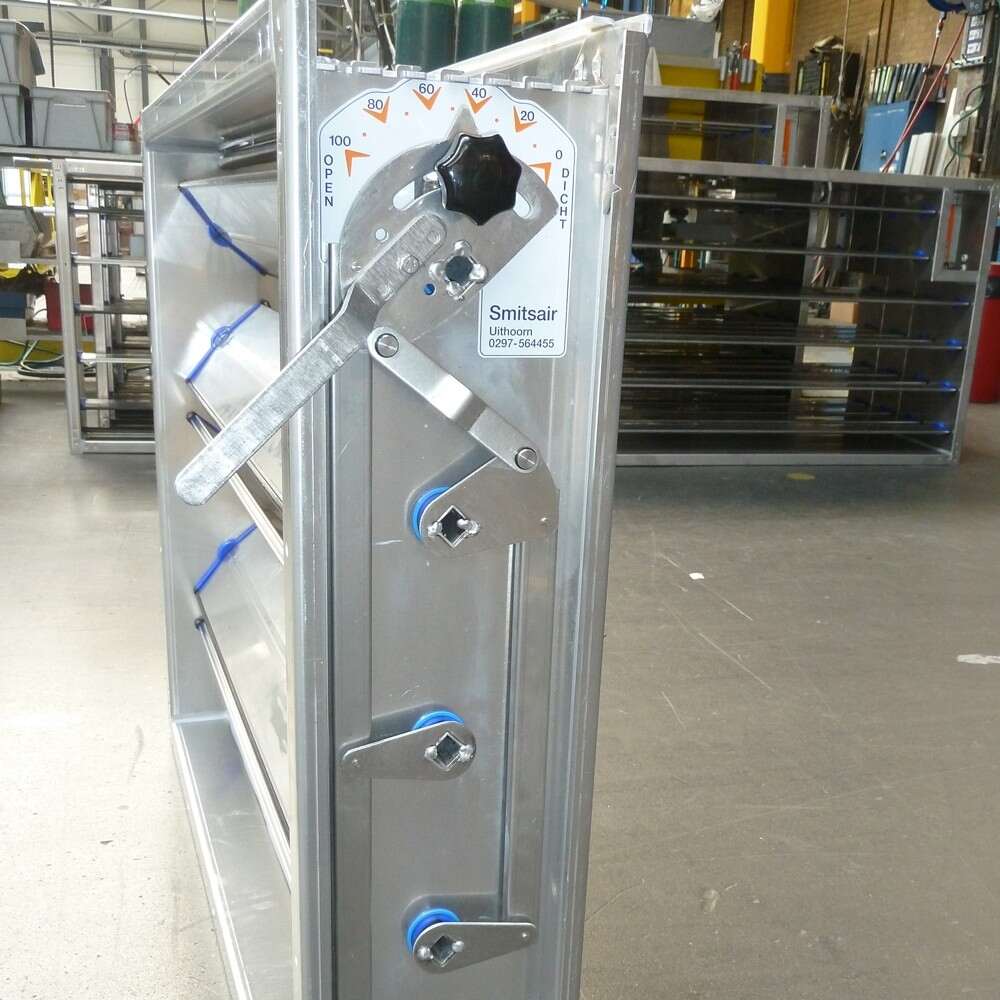
Smitsair damper grilles

At Smitsair, we offer a range of dampers for all sorts of applications. The dampers can be flexibly configured in terms of dimensions and type of operation. All the options are set out in the documentation. Take a look at the different types of Smitsair dampers below:

JKG-1 valve register: fitted with co-rotating blades, this damper is primarily suitable for mixing air flows, such as in the mixing sections of air-handling units.

JKK-2 valve register: these counter-rotating valves are ideal for regulating air flow rates. This valve is particularly suitable for situations where precise air flow control is required.

JKK-4 valve register: these counter-rotating valves are fitted with optimised seals and perform excellently as on/off valves.

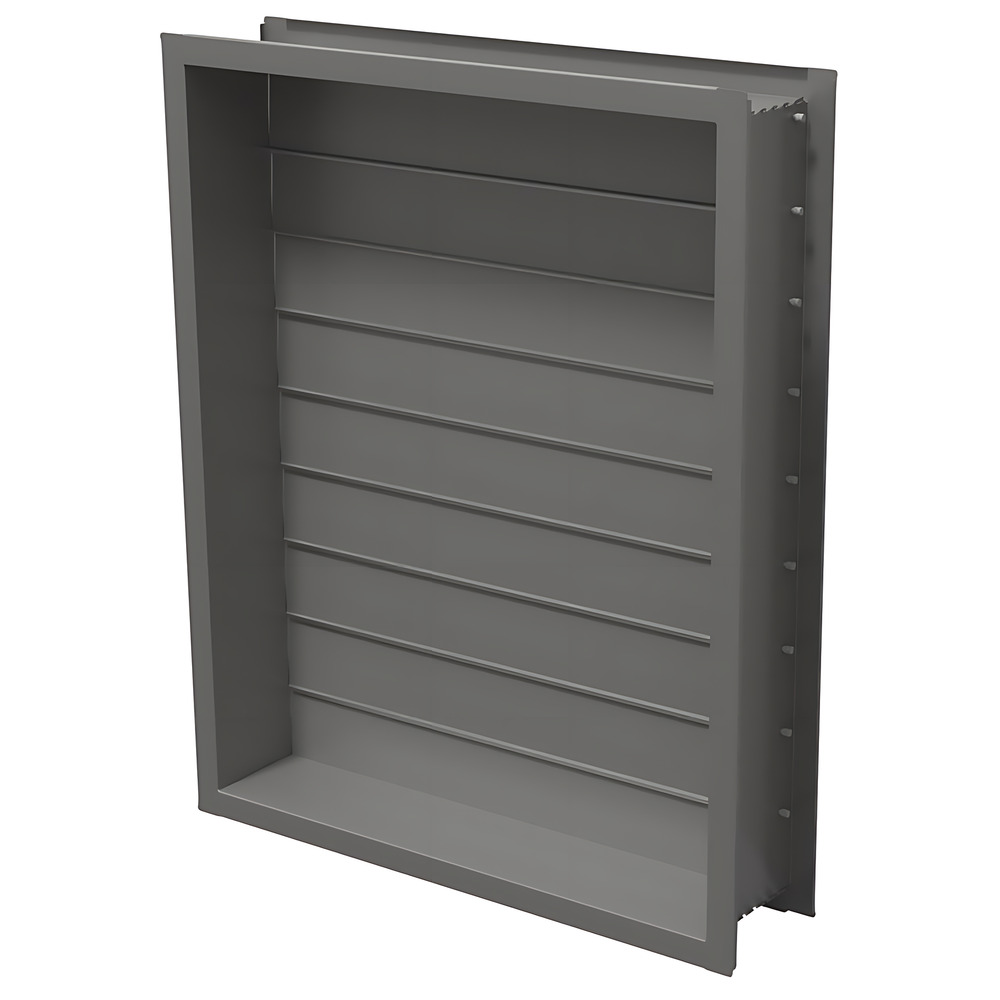
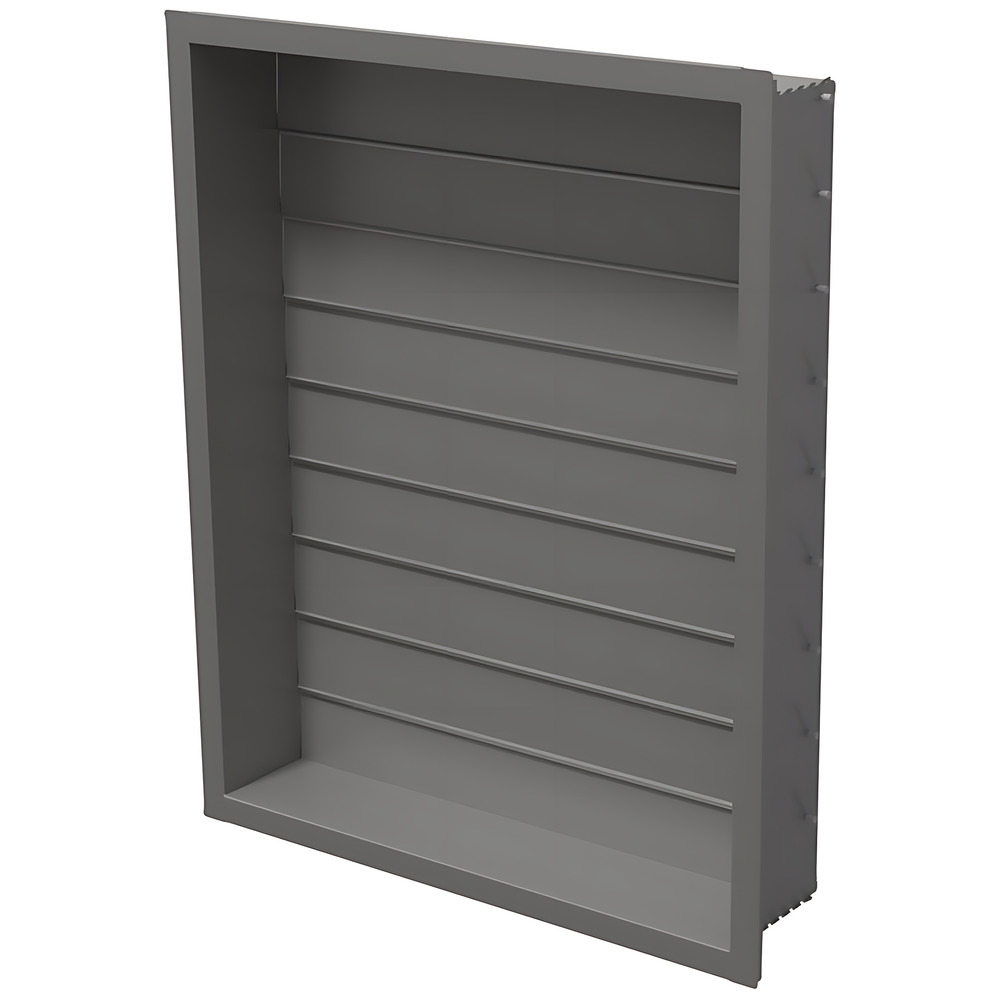
ZK1/2 self-closing valves: this valve closes when the ventilation system is switched off. The valves will open when a certain air pressure is reached. The ZK1/2 valves are suitable, amongst other things, for installation in a wall opening or behind an outdoor air grille.

Operation of damper registers

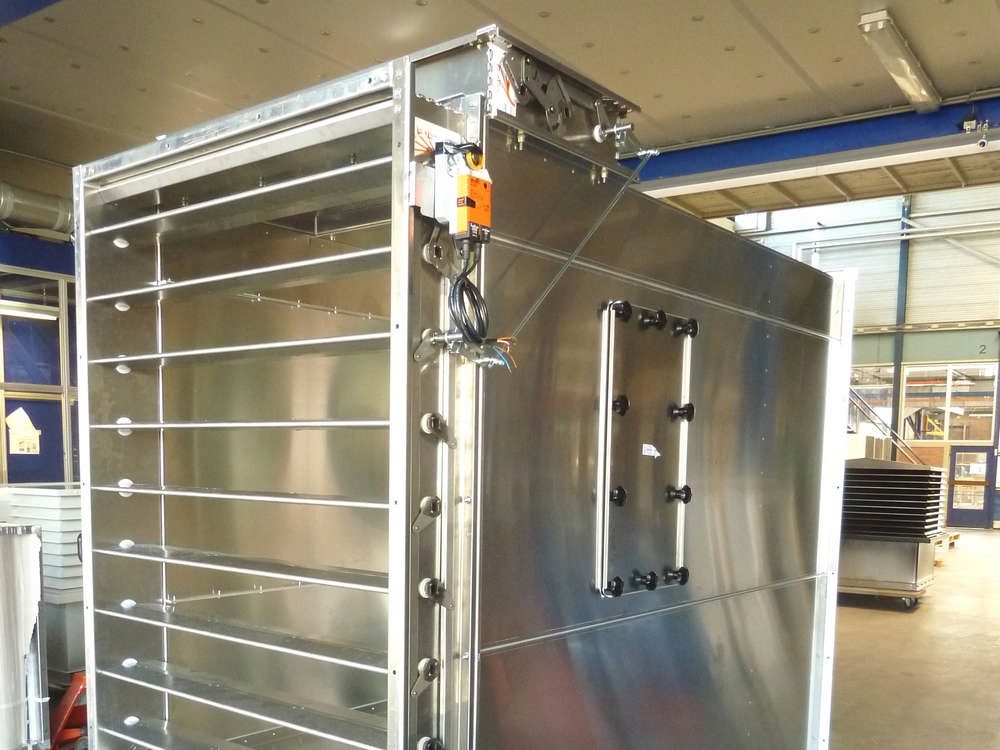
The controls for Smitsair’s damper registers can be fully tailored to your specific situation. The damper controls can be positioned either externally or internally, as required (see the installation examples here).

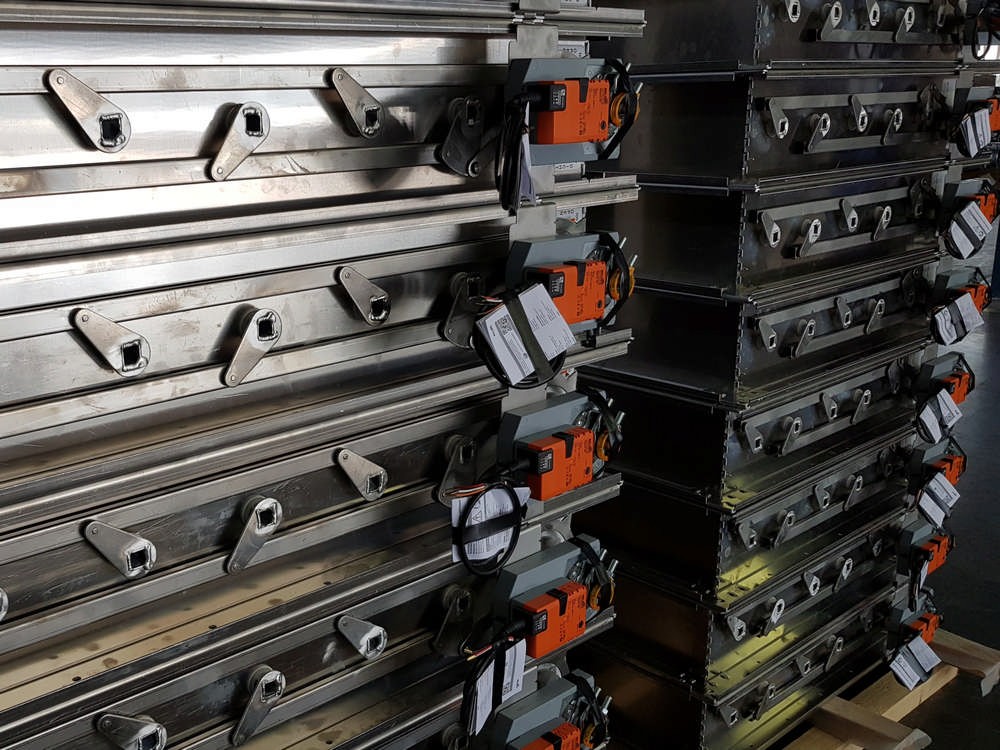
Motorised control of damper registers: for applications where motorised operation is required, the valves can be fitted with a Belimo servomotor.

Manual operation of damper registers: the valves can also be adjusted using a manual control.

Would you like to find out more about our louvre shutters?

Would you like to know more about the technical specifications of our damper boxes? Then take a look at our documentation and drawings. For a quote or if you have any questions, please contact us via the contact form or by email at: verkoop@smitsair.nl.

Frequently asked questions about louvre dampers

A damper assembly is an air-handling component consisting of several damper blades stacked one above the other within a housing. A damper assembly is used to regulate, mix or completely shut off airflows in air-handling systems, ventilation ducts or wall openings. Damper assemblies are essential for precise air distribution in HVAC systems.

A damper grille is always square or rectangular and is fitted with a control mechanism.
Unlike a damper grille, a control damper can also be round, making it suitable for round air ducts.
A louvre damper is similar to a damper grille, but can also be self-closing, such as the ZK-1 type.

There are various types of damper registers, depending on the application and the type of damper:

JKG-1: with co-rotating dampers, for mixing and directing airflows.
JKK-2: with counter-rotating dampers, for uniform air control, and as an on/off damper.
JKK-4: with counter-rotating dampers, fitted with an additional seal, resulting in minimal air leakage.
ZK-1 and ZK-2: self-closing dampers, which open and close in response to the air flow.

A damper assembly can be installed in various ways:

  • Internally within a recess or air handling unit.
  • Externally against a recess or between air ducts.
  • Horizontally or vertically – i.e. in a floor or wall – depending on the direction of air flow.
  • The installation method depends on the specific situation and the type of damper.

Take a look at our installation examples here to get an idea of the possibilities.

The choice between motorised and manual operation of a damper assembly depends on several factors, such as the application, the accessibility of the installation, the desired level of control and the degree of automation in the ventilation system. Both options have their own advantages, depending on the situation in which they are used.

If in doubt, please contact one of our colleagues so that we can work together to determine the best solution.